
Thinning strands can affect confidence when density becomes uneven over time. PRP therapy uses concentrated platelets from the person’s own blood to support scalp areas where stronger growth is desired. Careful assessment supports determine suitability while setting realistic expectations about steady changes. Individual goals guide session planning and aftercare, creating a personalized approach with PRP Hair Treatments in Melbourne for healthier-looking hair.
Understanding Scalp Support Needs
Scalp condition influences follicle support during care. A careful review can identify thinning hair patterns and existing density without rushed judgments. PRP therapy can be planned around personal needs instead of one routine. Preparation helps set expectations before sessions.
Scalp assessment keeps treatment areas clear. Existing hair density can guide attention toward regions needing focused support. Daily habits may influence scalp condition during recovery. Regular follow-up helps track gradual changes without rushed judgments.
How Does PRP Support Growth?
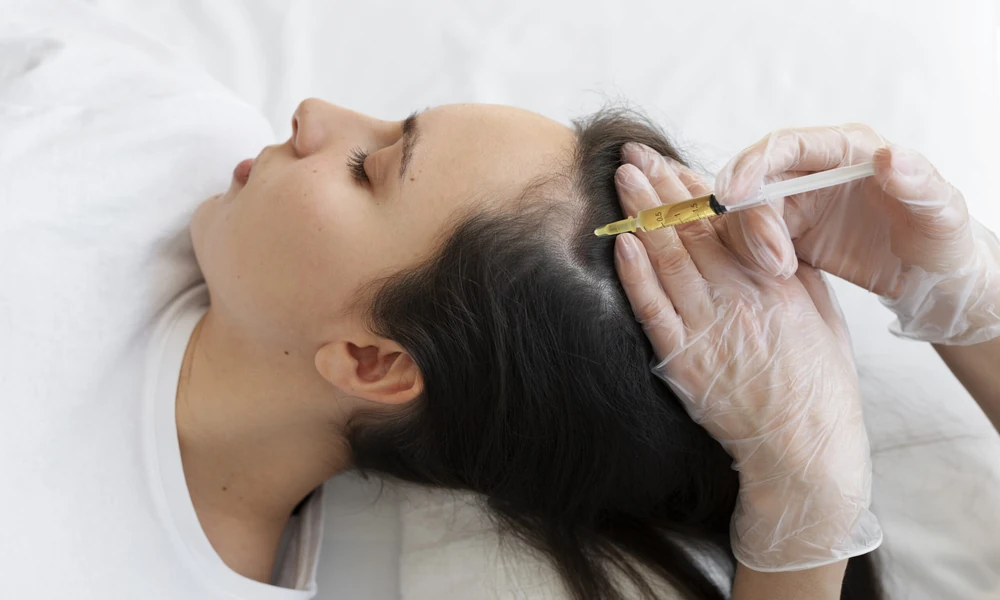
PRP therapy uses platelets taken from the person’s own blood after preparation. These platelets contain natural substances that may support tissue repair and follicle activity. The prepared portion is placed into selected scalp areas. Progress can differ according to age, cause, and general health.
• Platelets may encourage natural repair signals around weakened follicles.
• Focused placement directs attention toward regions requiring added assistance.
• Individual assessment shapes session timing around specific scalp needs.
• Gradual changes become easier to notice across several months.
• Follow-up visits help review progress and guide future sessions.
Building A Personal Treatment Plan
A suitable plan begins with a review of scalp condition and hair growth history. Session numbers vary because each person responds differently. Timing between visits allows the scalp to settle. PRP Hair Treatments in Melbourne can provide personalised options through a qualified provider based on individual treatment goals.
• Current thinning patterns can influence regions receiving focused attention.
• Previous scalp concerns may affect the recommended care schedule.
• Personal goals should remain realistic throughout the planned treatment period.
• Regular reviews can identify changes requiring further professional guidance.
• Consistent aftercare maintains scalp condition while natural growth develops.
What Shapes Visible Progress?
Visible progress is usually gradual rather than immediate after the first session. Early changes may involve reduced shedding before stronger density becomes noticeable. Over time, improved follicle support may contribute to fuller-looking areas. Similar photographs make changes easier to compare.
Patience matters because growth follows its own cycle. Progress can vary between different scalp areas within one person. Professional aftercare may support a smoother recovery period. Unusual reactions should be reported promptly for suitable guidance.
Maintaining Ongoing Scalp Health
Ongoing scalp care can help maintain suitable conditions for continued growth. Gentle cleansing may reduce irritation, while harsh products can disturb sensitive areas. Adequate rest supports body function. Professional reviews can help determine whether further sessions remain suitable.
Simple habits can support the scalp between scheduled appointments. Avoiding unnecessary rubbing may reduce irritation during early recovery. Keeping follow-up visits can help track gradual changes accurately. Using recommended products may protect sensitive areas after each session.
Can Scalp Care Aid Recovery?
Recovery support matters because the scalp may feel sensitive after a session. Gentle handling can limit unnecessary irritation while recommended care keeps the area settled. Personal instructions should be followed closely because recovery needs differ. Prompt guidance is useful when unexpected changes continue.
Soft handling can reduce unwanted pressure across sensitive scalp areas. Following care directions helps maintain suitable recovery conditions. Avoiding unapproved products may lower the chance of irritation. Resting well can support normal body repair processes.
A tailored approach works best when goals remain realistic, and progress receives patient review. Professional assessment can identify suitable candidates while clear aftercare supports steady recovery. PRP therapy may support people seeking improved density without expecting instant results. Consistent review guides future decisions according to visible changes.
FAQ
Can PRP therapy support thinning areas without immediate visible change?
Yes, gradual follicle support may take several months to notice.
How long can progress remain noticeable after planned sessions?
Results vary by person based on scalp condition and maintenance.
Is professional assessment needed before starting PRP therapy sessions?
Yes, evaluation helps confirm suitability and create a suitable session plan.