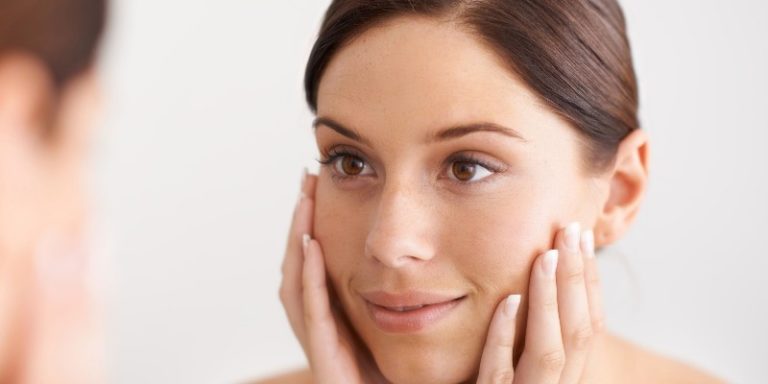

An eyebrow reference photograph works best as the start of a conversation. Explain the particular detail that appeals to you, ask which parts relate to the service being booked, and discuss the change on your own face before it begins. A saved picture can communicate taste, but it cannot guarantee a result or turn several different grooming techniques into one appointment.
Name the detail that made you save the image
Two people can admire the same photograph for entirely different reasons. One notices a softly defined edge; another likes the fuller-looking centre; someone else is responding to the makeup and expression of the whole face. If the image is presented without explanation, the provider has to guess which feature is the instruction.
Describe what caught your eye in everyday language. You might like the overall fullness, the restrained appearance or the way the brows look tidy without seeming sharply drawn. It is equally useful to identify something you do not want changed. The point is to express a preference, not to learn a technical vocabulary before you are allowed to book.
Bring fewer, clearer references. A large album containing several incompatible looks can make the conversation harder. If two images illustrate different elements, say which element belongs to each. Otherwise, select the one that best represents the overall direction and let the provider explain what can realistically be discussed from it.
Separate hair removal from the finished photograph
A photograph shows an appearance, not a complete record of how it was produced. Makeup, grooming products, lighting and image editing may contribute to the visible result. The viewer may not be able to identify those contributions. That uncertainty is a reason to ask what the booked service can address, rather than assuming hair removal alone will reproduce everything in the image.
Waxing, shaping, tinting and styling are not interchangeable purchase descriptions. A business may offer some, several or none of the additional services suggested by a reference. Confirm the exact scope rather than treating an umbrella beauty category as proof that every technique is included. A clear answer prevents the appointment from becoming a surprise negotiation.
It is also possible to like a feature that the proposed service cannot create. Removing hair does not automatically supply the appearance of fullness seen elsewhere in a photograph. The provider should explain the limits of the requested appointment. A useful consultation may narrow the change considerably instead of promising a complete transformation.
Use your own starting point in the discussion
The reference belongs beside the person, not in place of them. Ask the provider to explain the proposed change on the brows that are actually present. The discussion can account for areas the guest wants to preserve and the degree of difference they would welcome. An image of another face should not overrule those preferences.
In Kitchener-Waterloo, Azure Aqua Spa’s waxing information lists eyebrow waxing, with enquiries directed to the business. That is a starting point for confirming the current service and discussing a reference. It should not be read as a promise that every photographed brow style can be reproduced or that unlisted treatments are included.
Explain any previous result that influences the request. “I would like to keep more fullness than last time” is actionable context. A photograph of your own brows from a time you liked them may be particularly useful because it shows a familiar appearance, although it still needs discussion. There is no requirement to choose a fashionable reference when an older personal photograph communicates the preference better.
Preparation belongs with the provider’s instructions for the specific service. Mention relevant skin concerns, products or recent procedures when asked, and obtain appropriate professional advice where needed. Avoid making last-minute changes based on general online tips. The aim of bringing a reference is clearer communication, not taking over the technical preparation yourself.
Agree on the change before it begins
Before any hair is removed, make sure the explanation and your intention match. Ask how the proposed outline or tidy-up will be shown and when there is an opportunity to confirm it. If a term remains unclear, ask for it to be demonstrated or described differently. Feeling slightly unfamiliar with the process is a reason to slow the conversation, not to nod through it.
A conservative request is perfectly legitimate. Someone may want only a small tidy-up while maintaining the current shape. Another may be considering a more visible change but want to discuss it before deciding. Neither person has to adopt the provider’s most dramatic suggestion to be an engaged client.
Remember that changing the reference changes the conversation. If a new image seems more appealing while waiting for the appointment, explain that before the process starts. Trying to merge competing instructions midway can confuse the intended result. The useful decision is the one both people understand at the moment work begins.
Confirm any additional cost if the discussion expands beyond the original booking. A service suggestion can be considered without being accepted automatically. The guest should understand both the proposed change and the purchase attached to it. Clarity about money supports clarity about the treatment itself.
Let the reference become less important afterward
When reviewing the result, return to the agreed description rather than comparing every detail against an unrelated face. Ask about the service outcome and follow the provider’s aftercare directions. A magnified photograph can draw attention to tiny differences that were never part of the practical request.
If something does not match what was agreed, explain the specific concern calmly and ask what options exist. Avoid experimenting immediately with your own corrections. The provider needs to understand the issue, and any skin concern should receive the appropriate attention rather than being treated solely as an aesthetic inconvenience.
The best use of a reference is eventually to need it less. Once you can describe the fullness, definition and degree of change you prefer, the conversation becomes more personal and less dependent on a borrowed image. Keep the photograph if it remains helpful, but allow your own face and your own preferences to supply the final point of reference.