
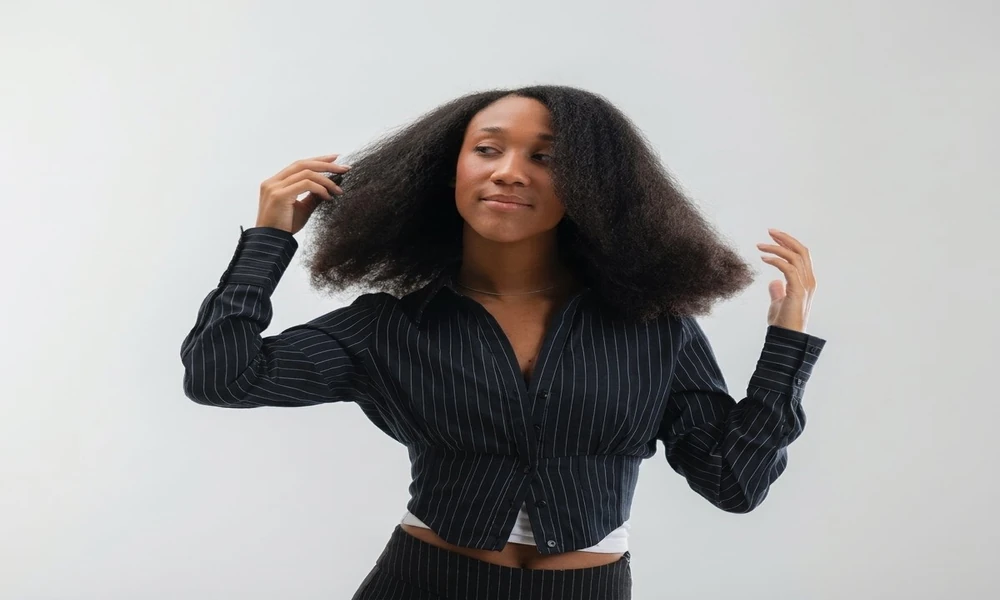

You’ve finally found a set of clip-in extensions that gives you the length and volume you want, but there’s one problem: your short natural hair doesn’t seem to blend with the longer pieces. Maybe your ends are sticking out, the extensions look noticeably fuller than your own hair, or the difference in length becomes obvious whenever you turn your head. If you’ve experienced this, you’re certainly not alone. Blending extensions with shorter natural hair takes a little more planning, particularly when you’re working with tightly coiled textures or transitioning hair. Fortunately, you don’t have to straighten your hair completely or rely on excessive heat to create a convincing finish. With the right texture, thoughtful placement, and a few simple styling techniques, you can achieve a soft, full blowout look that feels natural, comfortable, and easy to wear.
Why Kinky Straight Extensions Work Well With Short Natural Hair
Natural hair has its own beautiful texture, and that texture doesn’t completely disappear when the hair is stretched or blown out. It often retains a soft, fluffy appearance with subtle bends and movement. That’s whyKinky Straight Clip In Hair Extensions can be such a practical choice for women who want additional length without sacrificing the appearance of their natural texture. Unlike extensions with an extremely silky finish, textured clip-ins are designed to resemble the look of stretched, blown-out hair, helping the two textures sit together more convincingly.
However, texture alone doesn’t guarantee a seamless result. The length, density, and overall shape of the extensions matter just as much. If your natural hair is only a few inches long, adding extremely long pieces can create a noticeable separation between your real hair and the extensions. Starting with a moderate length and building fullness gradually often produces a more balanced appearance. Extremely short hair, particularly around the crown, may also need additional coverage or a different styling approach to conceal the clips effectively.
Prepare and Stretch Your Natural Hair Before Installing Clip-Ins
Short natural hair can be easier to blend when it’s properly moisturized, detangled, and gently stretched before installation. Begin with clean, conditioned hair, then work through any tangles using your fingers or a wide-tooth comb. Apply a lightweight leave-in conditioner to help keep your strands manageable without making the roots greasy. Heavy oils and thick styling creams can create buildup, making it harder for the clips to sit comfortably and securely. Allow your hair to dry thoroughly before attaching the extensions.
Natural hair texture also influences which installation method makes the most sense. Some women prefer removable clip-ins for everyday convenience, while others choose sew-in styles usingKinky Straight Human Hair Bundles when they want a different installation option. For this DIY guide, clip-ins offer the advantage of allowing you to experiment with placement and remove the added hair at the end of the day without committing to a longer-term style.
Next, stretch your natural hair to create a finish that resembles the extensions. You can use banding, loose twists, or carefully controlled blow-drying on a low-heat setting with heat protectant. If you’re avoiding heat altogether, banding slightly damp hair and allowing it to dry completely can help elongate your strands. The goal isn’t to make your hair perfectly straight. Instead, focus on reducing shrinkage enough that your shorter sections can flow into the textured extensions without an obvious difference in shape.
Step-by-Step Guide to Blending Clip-Ins With Short Natural Hair
Once your hair is prepared, the next step is deciding where each weft should sit. Strategic placement is especially important with short hair because you have less natural length available to cover attachment points. Rather than installing every piece immediately, take a moment to assess your hair’s density, the areas where it’s shortest, and how you normally wear your part. The aim is to build the style gradually so that the extensions complement your natural hair instead of overwhelming it.
Step 1: Section Your Hair Carefully
Start at the nape of your neck and create a clean horizontal part using a rat-tail comb. Clip the remaining hair out of the way. Leave enough natural hair around your crown and perimeter to hide the attachments once everything is released. If your hair is particularly short at the back, you may need to begin slightly higher to prevent the clips from showing when you move.
Step 2: Install the Extensions From the Bottom Up
Attach the first weft to a section with enough hair to support the clips comfortably. Work upward, releasing another section before adding the next piece. Distribute the extensions evenly rather than concentrating several wefts in one area. Avoid pulling the clips tightly against your scalp or attaching them to weak, thinning, or fragile edges. If a clip feels uncomfortable, reposition it instead of forcing it into place.
Step 3: Conceal Short Layers and Visible Tracks
One of the biggest challenges with short hair is preventing the natural ends from appearing as a separate layer above the extensions. Try placing shorter wefts near the sides and longer pieces toward the back, depending on your chosen hairstyle. Release small sections of your own hair between the wefts where coverage allows. This creates a more gradual transition and helps soften the contrast between different lengths.
Step 4: Blend the Textures Gently
Once the extensions are installed, use your fingers or a suitable brush to bring your natural strands and the added hair together. Work gently from the ends upward while supporting the hair near the clips to avoid unnecessary pulling. A small amount of lightweight styling product can help control flyaways. If the textures already match well, additional heat may not be necessary. You want both textures to move together, not force every strand into a perfectly straight finish.
Step 5: Check the Style From Every Angle
Before heading out, examine your hairstyle from the sides, back, and crown using a handheld mirror or a few photographs. Check whether any clips are visible, whether the shorter pieces are sticking out, and whether the overall shape looks balanced. If you notice a gap or bulky area, adjust the placement rather than adding more hair automatically. Sometimes moving one weft slightly higher or lower makes a bigger difference than installing another piece.
Easy Hairstyles That Make Short Hair Blending Look More Natural
The hairstyle you choose can make a noticeable difference in how well your natural hair blends with textured extensions. A soft, full blowout is often a forgiving option because its airy volume helps shorter layers blend into the overall shape. Instead of aiming for pin-straight strands, embrace a little movement and fullness. This creates a relaxed finish that works beautifully for casual weekends, everyday errands, or a polished office look.
A deep side part is another useful option, particularly when one side of your natural hair is shorter than the other. The additional volume on the fuller side can help disguise uneven layers while creating a flattering shape around your face. For those with enough length and coverage around the crown, a half-up, half-down style can also work well. Just make sure any visible sections remain free of exposed clips, especially when gathering the top portion of your hair.
For very short natural hair, consider starting with a fuller, rounded hairstyle rather than a sleek, flat finish. Soft volume is generally more forgiving when blending hair of different lengths. You can also experiment with a slightly shorter extension length until you’re comfortable with how your own strands fall over the added hair.
Common Blending Mistakes and How to Keep Your Style Looking Fresh
One common mistake is choosing extensions that are dramatically longer or denser than your natural hair can comfortably blend with. While extra-long hair can look beautiful, the difference between short natural layers and long extensions becomes more noticeable when the textures or proportions don’t align. Choosing a realistic length, matching the blown-out texture of your own hair, and using only as many wefts as necessary usually creates a more convincing result.
Another mistake is using too much heat to make the two textures match perfectly. Repeated straightening can weaken natural strands, especially hair that has already experienced chemical processing or frequent manipulation. Instead, begin with an appropriate texture match and use gentle stretching methods. It’s equally important to avoid placing clips too close to the hairline or repeatedly attaching them to the same fragile sections. Your hairstyle should feel secure without creating tension, soreness, or discomfort.
To maintain your style throughout the day, keep a small comb or brush nearby for quick adjustments. In humid conditions, your natural hair may begin to shrink or revert while the extensions retain more of their stretched appearance. A light touch of an appropriate anti-frizz product may help, but avoid repeatedly applying heavy products. When possible, protect the style from moisture with an umbrella or suitable head covering.
At the end of the day, remove each clip carefully instead of pulling the extensions out. Open the clips completely, support your natural hair, and gently release each piece. Avoid sleeping in clip-ins, as overnight friction and tension can contribute to tangling or unnecessary stress on your strands. Detangle the removed extensions as needed and store them neatly in a clean, dry place to help preserve their appearance for future use.
Blending textured clip-ins with short natural hair doesn’t have to involve complicated techniques or a lengthy styling routine. The most convincing results usually come from choosing a compatible texture, stretching your natural hair gently, and placing each weft where it can be concealed comfortably. Don’t be afraid to experiment with different parts, lengths, and levels of volume until you discover what works for your hair. Whether you’re growing out a short haircut, transitioning to natural hair, or simply enjoying a temporary change, the right approach can give you more styling freedom while allowing your natural texture to remain part of the look.


