
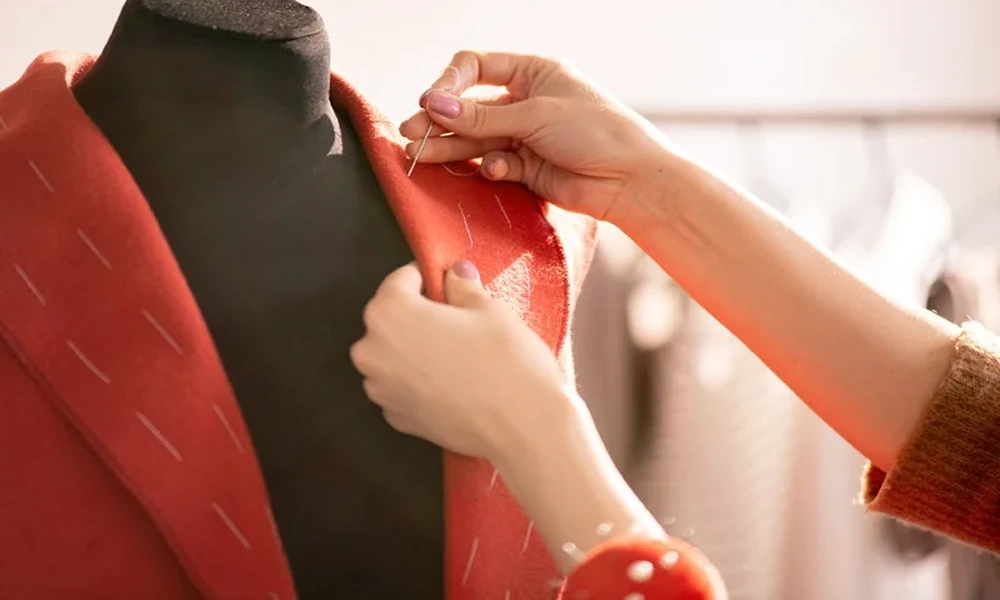

A jacket can look expensive yet still hang crooked. Balance, more than fabric, decides whether a coat sits cleanly. Front and back lengths must agree with the wearer’s posture. Shoulder slope, chest depth, and stance each pull cloth differently. A skilled tailor bkk reads these quirks before cutting any pattern. Posture, shoulders, collars, and sleeves all play a part. Small corrections across fitting stages keep the finished piece level.
Posture Dictates Where Jacket Hems Fall
An erect stance shortens the front panel and lifts its hem. A stooped back does the reverse, raising the rear edge. Either way, vents gape open and the coat tilts. Ready-made patterns assume an average body nobody owns. Comparing nape-to-waist and front lengths exposes the mismatch. A cutter then redistributes cloth between panels to compensate.
Why Do Sloping Shoulders Disturb Garment Balance?
When one shoulder drops lower, diagonal drag lines form. Those creases run from collar toward the opposite armpit.
- A lower shoulder gathers loose folds near the armhole.
- Padding thickness gets adjusted separately for each side.
- Shoulder seams are recut to follow the actual slope.
- Lapels then lie flat and roll evenly.
Collar Gaps Expose Forward Neck Posture
A collar standing away from the neck signals imbalance. Desk workers often carry their heads slightly forward. For them, the back collar needs shortening. Skip that step, and the whole coat slides backward with movement. Reshaping the collar stand fixes it. Even half a centimeter changes how lapels roll.
What Makes Sleeve Pitch Affect Overall Drape?
Arms rarely hang straight beside the torso. Most rest a little forward, rotating their natural line. Set at the wrong pitch, a sleeve twists and ripples. An experienced tailor bkk pins each sleeve while the client stands relaxed. Turning it a few millimeters clears creases at the upper arm. Clean sleeves let body panels fall evenly.
Why Do Multiple Fittings Matter So Much?
A single measurement session captures numbers, not movement. Fittings show how cloth behaves on a living body. Each round removes guesswork the tape measure leaves behind.
- Basted seams let adjustments shift freely.
- Second sessions refine sleeve rotation.
- Final checks confirm level hems.
- Pressing sets the corrected shape.
Half A Centimeter Nobody Ever Notices
That half centimeter trimmed from the collar deserves a second look. No dinner guest would spot it. Yet without it, fabric hovers off the neck all evening. Balanced tailoring works by erasing its own evidence. Observers see a relaxed, confident person, not careful seams. That invisibility, more than fabric or price, marks real craftsmanship.
FAQs
How many fittings does a tailored jacket need?
Two to three fittings suit most commissions. Complex postures or heavy fabrics may call for one extra session.
Can a ready-made jacket be rebalanced?
Minor issues like sleeve pitch and hem level can be corrected. Major shoulder or back-length problems are harder to fix after cutting.
What does balance mean in tailoring?
It describes how front and back lengths relate to the wearer’s posture. A balanced coat hangs level without tipping forward or backward.
Does fabric choice affect jacket balance?
Softer cloths reveal imbalance faster than firm worsteds. Full canvas construction helps any fabric hold its corrected shape.