
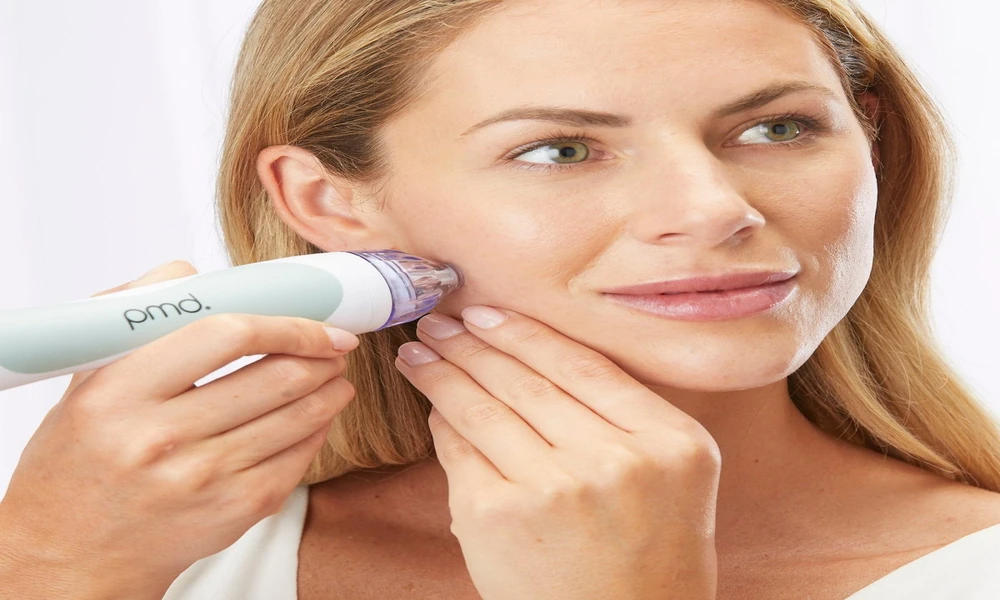

A skincare routine does not need to be complicated to be effective. Gentle cleansing, regular moisturizing, and daily sun protection provide the foundation for maintaining healthy-looking skin. For people who want to address dullness or uneven surface texture, exfoliation may also have a place in their routine. The important part is choosing an appropriate method and understanding how often to use it.
At-home microdermabrasion devices offer another way to approach physical exfoliation. Unlike ordinary facial scrubs, these tools use specialized surfaces and, in some models, vacuum suction to remove dead skin cells from the outermost layer. Some advanced devices also provide interchangeable treatment caps and adjustable settings, allowing users to customize the experience.
Before choosing a device, it helps to understand how microdermabrasion works, what features matter, and which precautions should guide its use.
What Is Microdermabrasion?
Microdermabrasion is a cosmetic exfoliation procedure that removes dead cells from the outermost layer of the skin, known as the stratum corneum. Professional treatments are performed with specialized equipment, while at-home devices are designed for consumer use and may have different operating features and treatment limitations.
The American Academy of Dermatology explains that professional microdermabrasion may improve the appearance of dullness, uneven skin tone, age spots, and certain dark spots. After a series of treatments, people may notice smoother-looking skin and a more radiant complexion.
However, professional procedures and home devices should not be considered interchangeable. Treatment depth, equipment, technique, and professional supervision differ. A home device should always be used according to its manufacturer’s instructions, and it should not be expected to provide the same results as a dermatologist-performed procedure.
How At-Home Microdermabrasion Devices Work
Many at-home microdermabrasion devices combine mechanical exfoliation with vacuum suction. The exfoliating component uses a specialized disc or treatment surface to help remove dead skin cells, while the suction system draws the skin gently toward the treatment tip.
Some devices use discs containing aluminum oxide crystals. These textured surfaces provide controlled physical exfoliation when the device is moved across the skin correctly. The suction mechanism is designed to work alongside the disc rather than replace the exfoliating action.
The technique is important. Pressing too hard, moving too slowly, or repeatedly treating the same area can increase the likelihood of redness and irritation. Following the manufacturer’s instructions is therefore more important than trying to achieve a stronger sensation during treatment.
Potential Cosmetic Benefits of Microdermabrasion
People often explore microdermabrasion because they want their skin to look smoother, brighter, or more even. The treatment focuses on the surface layer, which makes it different from procedures designed to address deeper skin concerns.
Depending on the individual and the treatment approach, microdermabrasion may help improve the appearance of:
- Dull or rough-looking skin.
- Uneven surface texture.
- Certain visible age spots and dark spots.
- Mild irregularities in skin tone.
- The appearance of fine lines.
These are potential cosmetic improvements rather than guaranteed outcomes. The American Academy of Dermatology notes that results generally require a series of professional treatments and may be temporary. At-home devices can differ significantly, so consumers should avoid assuming that every product offers the same benefits.
Microdermabrasion is also not a universal solution for acne, deep scars, or persistent pigmentation. A dermatologist can help identify the underlying concern and recommend a suitable treatment.
Important Features to Compare Before Buying
An advanced exfoliation device should offer more than an attractive design. Its settings, accessories, maintenance requirements, and instructions all affect how practical it will be to use.
Adjustable Exfoliation Levels
Different areas of the face may respond differently to physical exfoliation. A device with multiple disc options can provide more flexibility than a model with only one treatment surface.
Beginners should look for clear guidance on which disc to use first. Starting with the mildest recommended option is generally a more sensible approach than immediately choosing a stronger setting.
Adjustable Speed and Suction
Speed and suction controls can make a device more customizable. However, higher settings are not automatically better. The appropriate setting depends on the product instructions, the treatment area, and individual skin tolerance.
A useful device should explain how to select its settings and how to move it safely across the skin.
Interchangeable Treatment Caps
Some advanced models include separate caps for facial, body, or targeted treatment areas. These accessories can make a device more versatile, provided each cap is used only for its intended purpose.
Check what is included in the package and whether replacement accessories are available before purchasing.
Cordless Design and Storage
A rechargeable device can be convenient for people who prefer not to manage a power cord during treatment. A charging base and storage case can also make the equipment easier to organize between sessions.
These features do not determine exfoliation quality, but they can improve everyday convenience.
Cleaning and Maintenance
A facial device needs appropriate care. Check whether the treatment caps, filters, and other removable components have clear cleaning or replacement instructions.
Good maintenance habits are important for keeping equipment in suitable condition and reducing the risk of contamination.
Exploring a More Customizable At-Home Device
For consumers comparing adjustable exfoliation technology, the PMD Personal Microderm Elite Pro is one option to consider.
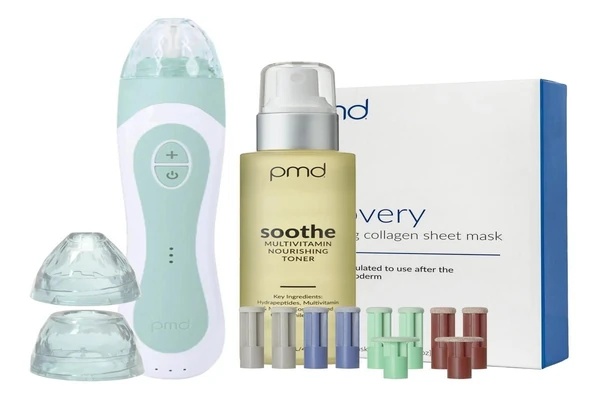
According to PMD Beauty’s product specifications, the device combines spinning disc technology with vacuum suction. Its TruTier technology provides three speed settings and adjustable suction levels, giving users more control over the treatment experience.
The product also includes face, body, and blackhead caps, along with exfoliating discs in different intensity levels. These options are designed to accommodate different treatment preferences and areas of use. Its cordless, rechargeable design, charging base, and storage case add practical convenience.
The manufacturer recommends using the device weekly on clean, completely dry skin. New users are advised to begin with the most sensitive disc and increase intensity gradually only if appropriate. The device should be moved quickly across the skin in upward motions without applying pressure or pausing in one area.
These specifications make the Elite Pro worth comparing with simpler exfoliation devices. Before purchasing, consumers should review the complete instructions, included accessories, warranty conditions, and suitability guidance to determine whether the product fits their routine.
How to Prepare Your Skin Before Treatment
Preparation helps make an exfoliation routine more controlled. Start by considering your current skincare products and whether your skin is already sensitive or irritated.
Ingredients such as retinol, prescription retinoids, and benzoyl peroxide may increase dryness or peeling. Combining them with mechanical exfoliation without appropriate guidance can make irritation more likely.
Before using a microdermabrasion device, consider these steps:
- Read the manufacturer’s instructions and understand the available treatment settings.
- Check your skin for sunburn, cuts, open areas, or active irritation.
- Remove makeup and cleanse your face with a gentle cleanser.
- Allow your skin to dry completely if required by the device instructions.
- Select the mildest recommended disc or treatment option for beginners.
- Make sure the treatment cap is correctly attached before turning on the device.
If you have a skin condition or use prescription skincare products, ask a dermatologist whether mechanical exfoliation is appropriate.
Using an Exfoliation Device With the Correct Technique
The way a device is handled can influence the treatment experience. A common mistake is applying additional pressure because the user expects stronger contact to produce better exfoliation. This can increase the risk of irritation and should be avoided.
For the Personal Microderm Elite Pro, PMD’s instructions recommend keeping the skin taut and moving the device quickly in an upward direction. Users should avoid pausing in one spot, applying pressure, or making repeated passes over the same area.
The treatment cap should also match the intended area. Follow the manufacturer’s directions for facial and body attachments, and avoid delicate areas unless the instructions specifically permit treatment there.
The recommended treatment schedule matters just as much as technique. PMD recommends weekly use for this device. Do not increase the frequency simply because the skin appears to tolerate the first session. Give the skin time to recover between treatments.
Aftercare: Keeping Your Routine Gentle
After physical exfoliation, skin may feel more sensitive or appear temporarily pink. A simple aftercare routine is usually more appropriate than immediately layering multiple strong skincare products.
Use a gentle moisturizer to support hydration and follow the manufacturer’s post-treatment instructions. Daily sunscreen is also important because exfoliated skin can be more sensitive to sunlight.
Avoid aggressive scrubs or additional exfoliating treatments immediately after a session unless a dermatologist has advised otherwise. If persistent redness, burning, swelling, or unusual discomfort develops, stop using the device and seek professional advice.
For broader everyday skincare habits, readers can also explore Refine Beauty’s guide on how to take care of your face. A consistent foundation of cleansing, hydration, and suitable skincare products remains important regardless of whether an exfoliation device is part of the routine.
Who Should Be Cautious About Microdermabrasion?
Physical exfoliation is not suitable for every skin condition. People with active irritation, infections, open wounds, or certain inflammatory skin conditions may need to avoid microdermabrasion.
The American Academy of Dermatology advises consulting a dermatologist before microdermabrasion if you have a skin spot that is changing, growing, or bleeding, or if you have taken isotretinoin for severe acne within the previous six months. People who scar easily should also seek professional guidance.
Those who develop dark marks after acne, insect bites, or minor skin injuries should be especially careful with aggressive exfoliation. The AAD notes that stronger exfoliation methods can increase pigmentation concerns in some people, particularly those with darker skin tones.
If you are uncertain about your skin’s suitability, a professional assessment is safer than experimenting with a stronger treatment setting.
Final Thoughts
At-home microdermabrasion devices can provide a structured way to explore physical exfoliation, but choosing the right product requires attention to more than its appearance or advertised benefits. Adjustable settings, suitable treatment caps, clear instructions, convenient maintenance, and a practical design all deserve consideration.
A device should complement a balanced skincare routine rather than replace it. Start conservatively, follow the manufacturer’s directions, allow time for recovery, and maintain daily sun protection. With realistic expectations and professional advice when needed, consumers can make more informed decisions about whether at-home microdermabrasion belongs in their skincare routine.