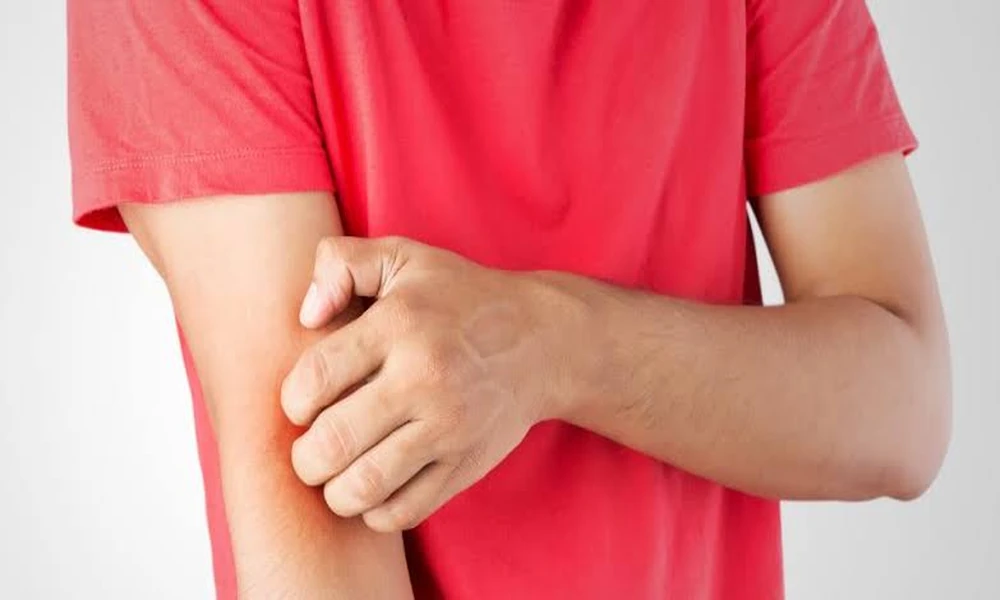

Eczema itching rarely starts with the visible rash. Trouble begins earlier, when the barrier sheds water too fast. Tiny cracks form, and irritants slip through. Nerve endings react, and scratching follows close behind. Dry winter air and hot showers widen those gaps. Repairing that barrier matters more than chasing quick relief. A rich cream for eczema and dermatitis restores lost moisture to the surface. Even so, ingredients, timing, and routine all decide how long comfort holds. Stubborn flares, though, may need a clinician’s input.
Damaged Barriers Fuel the Itch-Scratch Cycle
Healthy skin works like a brick wall. Cells act as bricks, while lipids form the mortar. With eczema, that mortar thins, often from filaggrin gene variations. Water escapes, allergens enter, and inflammation builds. Scratching then tears the surface further. Each round deepens the damage, so flares can spiral in hours.
What Makes a Moisturizer Truly Gentle?
Gentleness depends on what a formula leaves out. Dermatologists favor products showing these traits:
- Fragrance is absent, including essential oil blends.
- The texture leans toward thick creams or ointments.
- Preservatives stay minimal and suit reactive complexions.
- Drying alcohols sit far down the ingredient list.
- An eczema association seal confirms independent screening.
Ceramides, Oatmeal, and Petrolatum Each Play Roles
Each ingredient handles a separate job. Ceramides refill gaps in the lipid mortar. Colloidal oatmeal calms irritation and leaves a soothing film. Petrolatum, though plain, blocks almost all evaporation. A smart cream for eczema and dermatitis blends all three. Repair and protection then happen at once. Glycerin adds extra pull, drawing water into upper layers.
Does Application Timing Change the Results?
Timing can outweigh the amount applied. Damp skin holds water that a fresh layer can trap. Clinicians call this the three-minute rule after bathing. Waiting longer lets evaporation pull moisture outward, leaving tightness behind. Lukewarm water, short showers, and pat-drying strengthen the effect. A second coat before bed supports overnight repair.
Daily Habits That Quietly Undermine Moisturizer Gains
Even excellent formulas struggle against these routines:
- Hot showers strip natural oils.
- Wool fabrics scrape inflamed patches.
- Harsh soaps raise surface pH.
- Heaters pull humidity from rooms.
- Long nails worsen nighttime scratching.
Swapping one habit can matter as much as switching products.
When Should Itching Prompt a Doctor Visit?
Moisturizers support the barrier, but infection needs different treatment. Yellow crusts, weeping fluid, or spreading warmth signal possible bacterial involvement. Sleep lost to itching for over a week also warrants attention. Topical steroids or newer non-steroid prescriptions target deeper inflammation. Moisturizing continues alongside those medicines, never as a replacement.
Bath Time Decides Tomorrow’s Itch Level
The priciest jar on a shelf can still fail. Results hinge less on price than on post-bath timing. Applied in those three minutes, a basic ceramide cream wins. A luxury formula on dry skin loses that contest. Eczema care, then, resembles choreography more than shopping. Towel, pat, apply: the sequence carries real weight. Routines built around water keep the barrier intact between flares.
FAQs
Can moisturizer alone clear eczema?
Mild cases often improve with consistent barrier care and trigger avoidance. Moderate or severe flares need prescription anti-inflammatory treatment added to the routine.
How often should moisturizer be applied?
Two coats a day form a common baseline for most adults and children. Extra layers after handwashing, swimming, or bathing help hold moisture through the day.
Are ointments better than lotions for eczema?
Ointments carry more oil and block evaporation with greater force, though the feel is greasy. Lotions hold more water, which evaporates and can leave the surface drier than before.
Is a moisturizer safe on cracked or broken patches?
Simple, fragrance-free formulas suit cracked areas, though mild stinging can happen at first. Persistent burning, oozing, or crusting points to infection and needs a doctor’s review.